Global alcohol consumption has been declining for years. The trend is structural, and every major spirits company knows it. In that environment, the question is not how to grow the category. It is where to find growth within it.
For Pernod Ricard, India's off-trade was the answer nobody could see clearly.
Two years into my time at Infilect, my manager brought me this problem. I knew within the first briefing that it would be technically difficult. I also understood immediately what solving it would mean.
When every percentage point of growth matters
Pernod Ricard's India business runs on two very different tracks. Premium products sell through modern trade, bars, and restaurants. The data there is clean, the tracking infrastructure exists, and the numbers flow. Low-range products, which represent the majority of India's sales volumes because a large proportion of the population can only afford them, sell almost entirely through off-trade: thekas, small general trade shops, roadside kiosks. Informal, cash-based, and entirely invisible to any structured audit process.
When consumption is growing, invisible channels are tolerable. When it is declining, every gap in the data is a missed opportunity. Pernod had no visibility into shelf share, competitive placement, or compliance across the channel that drove most of their volume. They were trying to grow a business they could not see.
Solving it would give Pernod the ability to identify exactly where their products were and were not present, understand competitive dynamics at the shelf level, and hold their field teams accountable for distribution hygiene.
The $2 million question
The brief had a second layer that made it more than a standard client project.
Pernod's investment wing had committed to putting $2 million into Infilect if we solved the problem. The condition was not about the specific technology we used. It was about outcome: produce reliable shelf insights from off-trade at scale. If we cracked it, the funding came in and Infilect would become Pernod's global analytics partner.
For a startup at Infilect's stage, $2 million in strategic investment from one of the world's largest spirits companies was significant. It was not the kind of thing you walked away from without trying everything first.
My manager ran the relationship with the investment wing. I ran the project. We both understood what was on the line.
Transparent bottles in unlit rooms
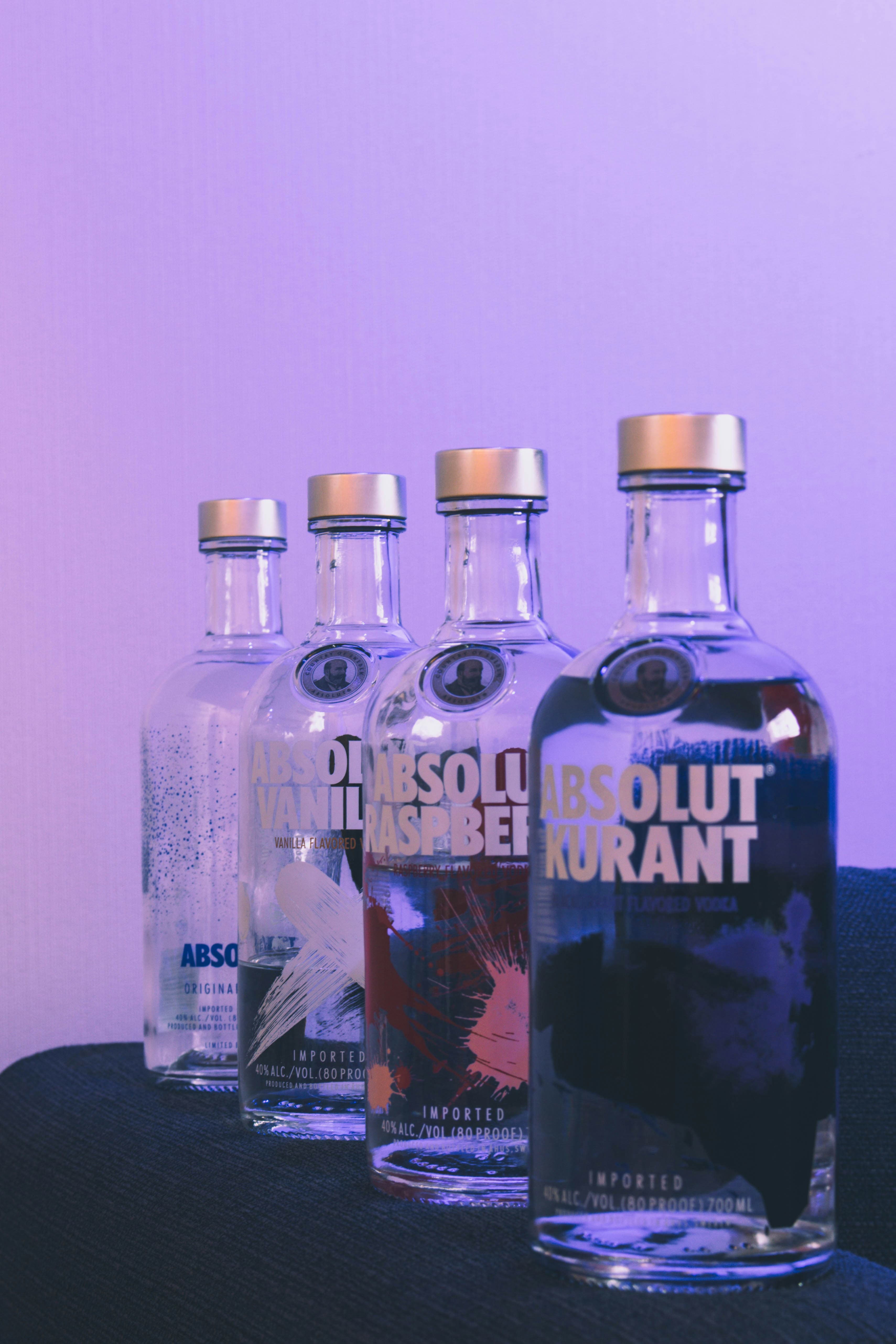
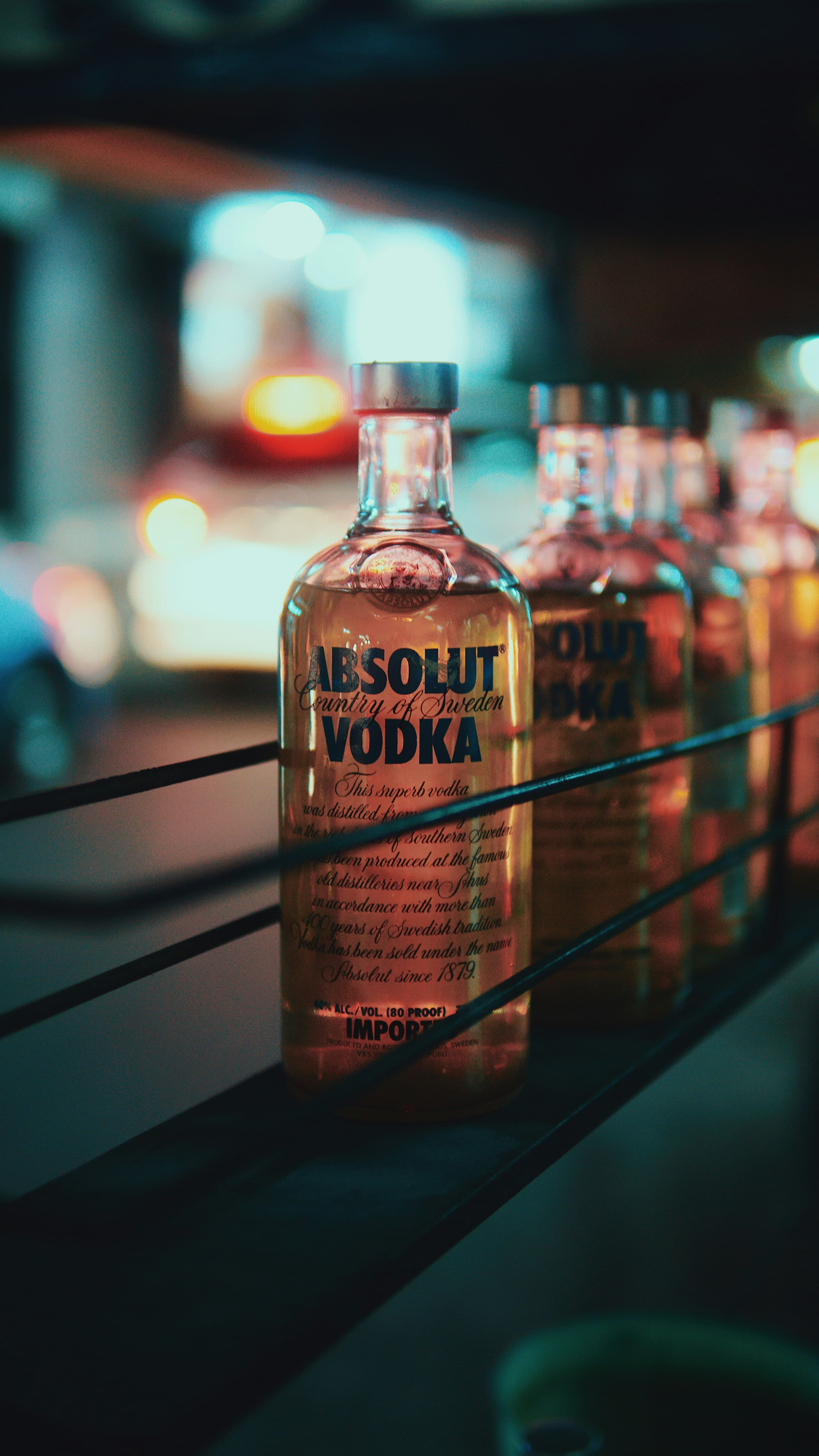
Anyone who has spent time thinking about image recognition for physical retail knows that alcohol presents specific challenges. Most spirits bottles are fully or partially transparent. The label sits on glass, and behind it is whatever sits on the shelf behind the bottle. The background bleeds through the product. Competing brands frequently share similar shapes, label proportions, and colour palettes. The visual margin between a Seagram's and a Royal Stag and a McDowells, captured in a field photograph, is very narrow.
The off-trade environment in India amplified every one of these problems. Thekas are not supermarkets. Lighting is often poor or completely absent. Shelves, where they exist, are improvised. Stock is arranged without any planogram logic: miniatures mixed with full-size bottles, products partially hidden behind others, everything stacked floor to ceiling behind a counter. Capturing a clean, structured image under these conditions is genuinely hard. Training a model on images captured under these conditions is harder still.
This was not a solved problem. We were not implementing a known solution in a new market. We were trying to make computer vision work in an environment it had not been designed for.
Seven months at the ceiling
I was assigned as lead on the project. I coordinated across engineering, product, and operations, designed the data collection process, and travelled to pilot stores across Delhi, Chandigarh, Noida, and Gurgaon to test the model myself in the field, collect feedback, and feed it back into the iteration cycle. The pilot covered 10% of the full store universe across those four cities. I made multiple trips to the Pernod office in Delhi for briefings and demos.
The first two and a half months went into building and training the initial model. Early results were encouraging. Progress came in measurable increments every few days, and the Pernod team was visibly excited by what they saw in the early demos. The energy on both sides was high. We knew what was at stake, and the initial trajectory suggested we might get there.
The months that followed were a cycle of data collection, training, field testing, and feedback. Each round surfaced new failure cases: a bottle shape the model had not seen, a lighting condition that collapsed the image quality, a store format where the camera angle produced nothing usable. Progress came, but it came in fractions. The gap between where we were and where we needed to be did not shrink at the rate the problem demanded.
The gap that would not close
After working through the full data from the field, the numbers were clear. The solution performed in approximately 40% of stores: locations with adequate lighting, shelves organised enough to produce usable images, and bottles positioned clearly enough for the model to identify them. In the remaining 60%, the environment defeated the model.
Overall accuracy across the full pilot universe was 86%.
For many applications, 86% is a strong result. For Pernod's specific use case, it was not workable. Pernod intended to use the shelf data to identify compliance failures and reprimand field auditors for poor shelf hygiene. To do that, the data had to be reliable enough to act on without question. You cannot hold an auditor accountable on data that is wrong 14% of the time. The threshold for this use case was above 98%. We were twelve points short.
We asked for more time. We collected more data. We trained the model further. The accuracy moved, but not by enough and not at a pace that would get us to 98% within any reasonable window. After four to five months of iteration past the initial build, the trajectory was clear.
The gradual wind down
There was no single moment where the project ended. It slowed before it stopped. We kept asking for more time, kept running another training cycle, kept hoping the next round of field data would shift the numbers further. At some point the gap between what we were achieving and what the use case required made continuing dishonest.
I led the formal closure meeting with the Pernod team and followed it with a written acknowledgement sent internally and externally: the effort was being terminated. My manager handled the conversation with the investment wing. The $2 million did not come in. The Pernod relationship ended with the project. There was nothing else for either party to offer the other.
Working in this space for five years, I encountered this pattern more than once. The ambition was right. The technology was not ready. What has shifted now is the underlying capability. Whether the current generation of AI can finally crack problems like off-trade visibility in markets like India is something the industry is actively working through. I suspect it can.
A few months later I was promoted to Lead of the Project Management team. My manager told me that how I had run the project and managed the closure said more than the outcome did.
The off-trade visibility problem in markets like India remains largely unsolved today. Pernod Ricard was right that it was worth going after.