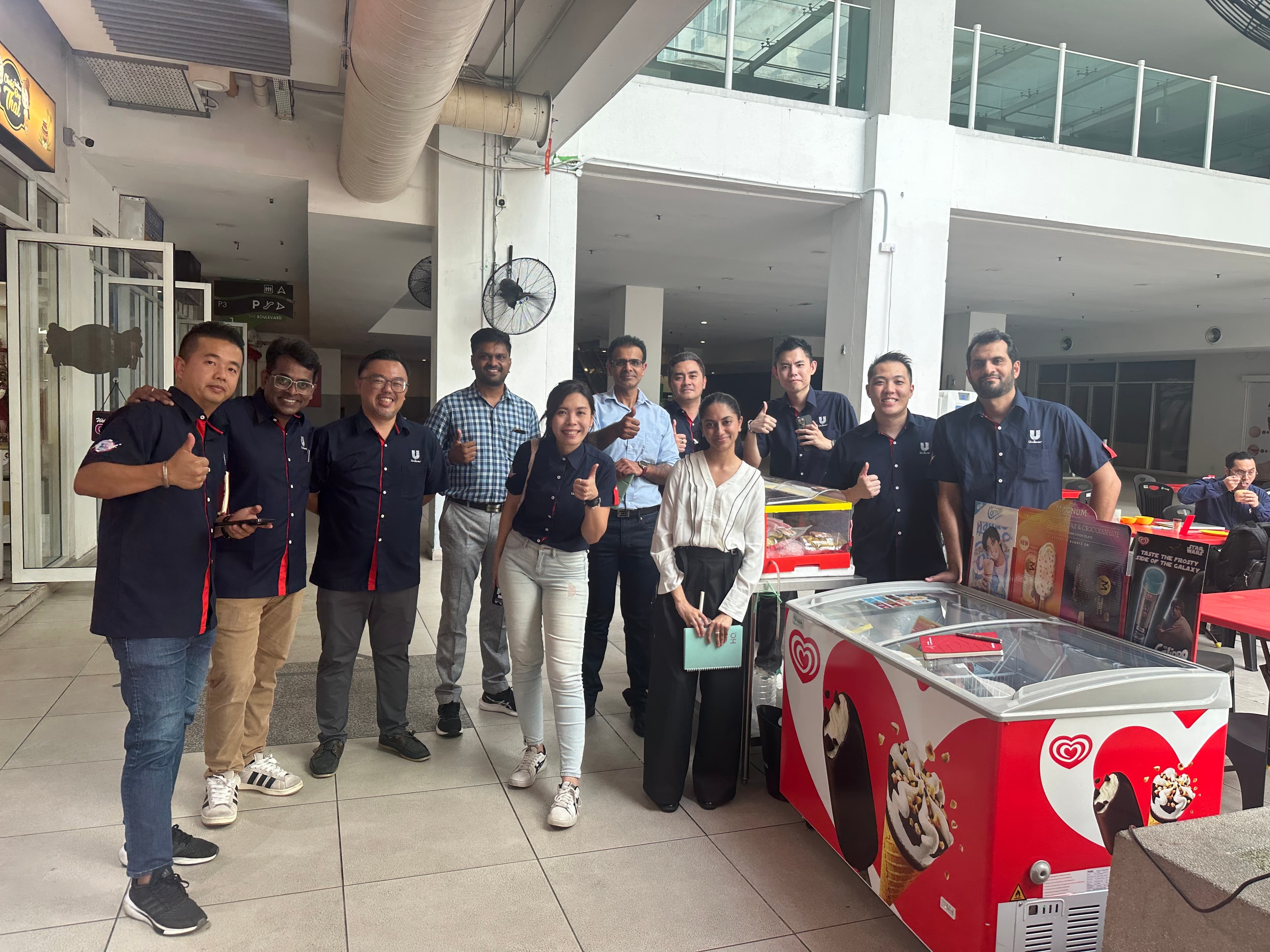
Thailand, 2024. 28,600 stores, zero visibility, and a client mid-split from one of the world's largest CPG groups.
I joined the Magnum account six months before Unilever announced the demerger of its ice cream division in April 2024. By the time that news landed, I was already deep in the problem.
Two distribution models, one compliance headache
Thailand's ice cream distribution runs on two parallel systems. Modern trade (supermarkets, convenience chains, hypermarkets) uses a pre-sale model. Salespeople visit, take orders, stock arrives later. General trade (neighbourhood shops, roadside kiosks, small independents) runs on van sales. A driver loads up in the morning and sells directly from the vehicle.
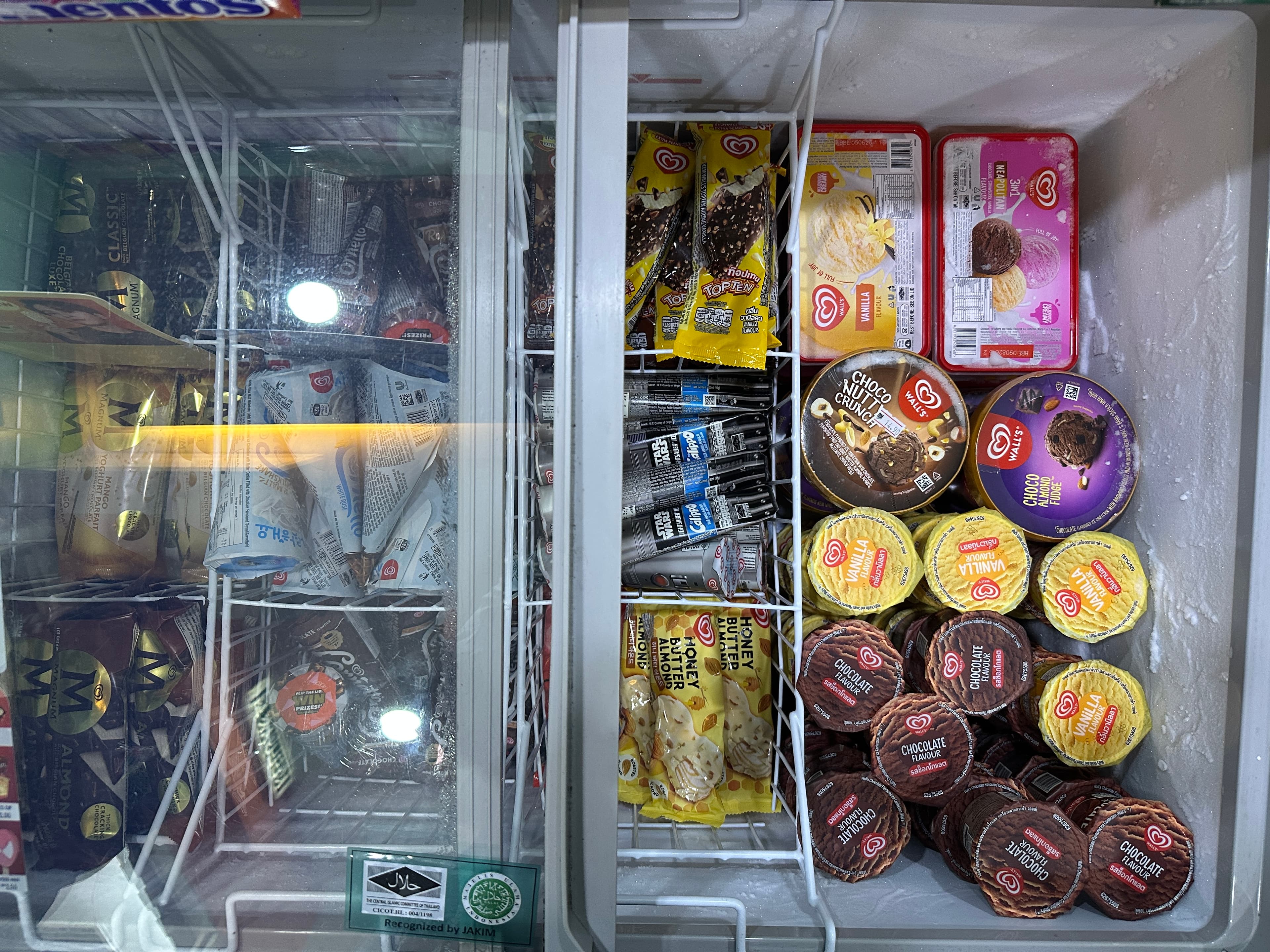
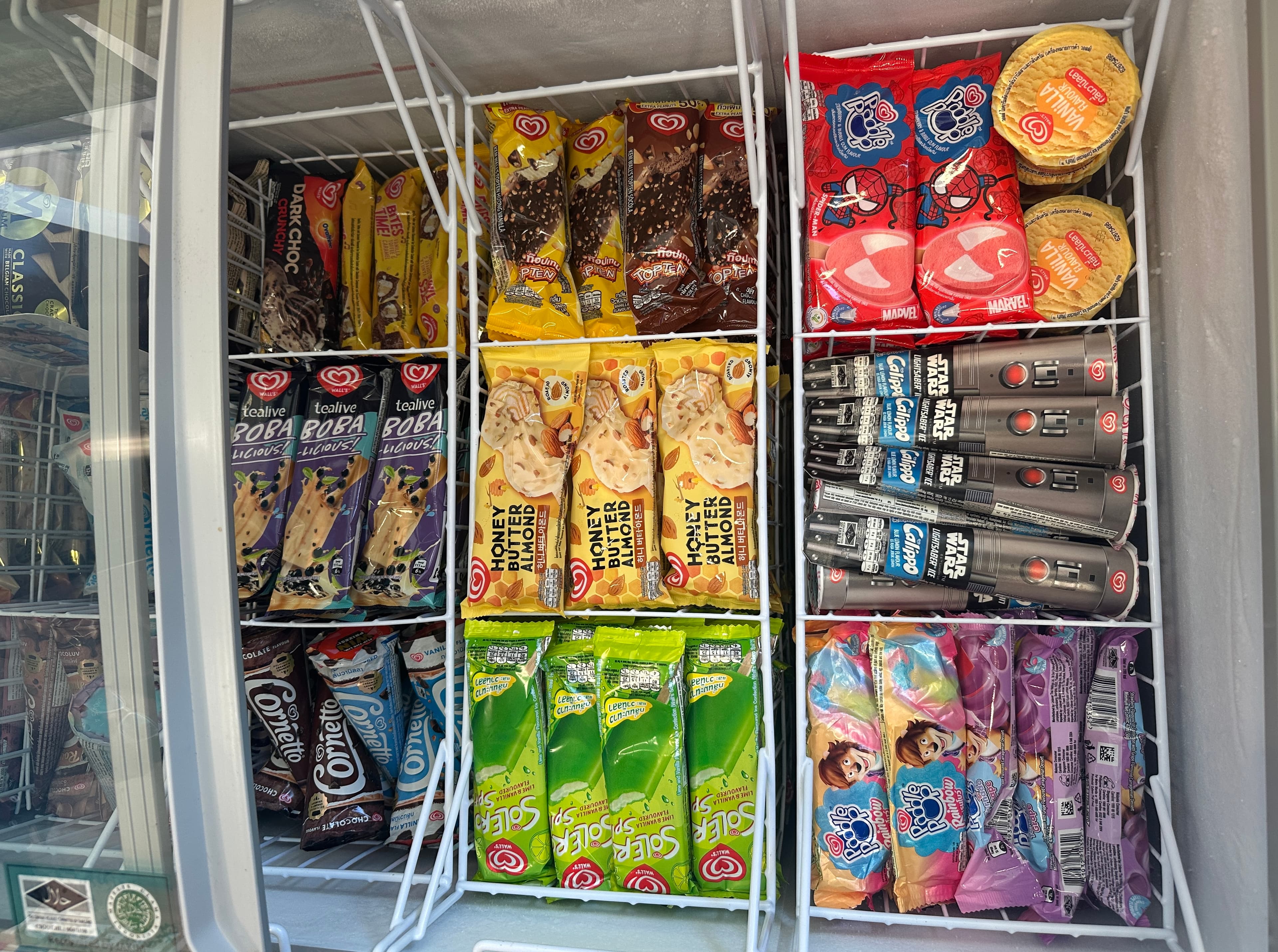
The compliance gap across both channels was significant. Coolers branded as Magnum coolers were being used to store competitor products. Brand visibility at point of sale was close to non-existent. Before the platform, the field teams had almost no systematic visibility into what was happening at store level. When shelf images were captured at all, it was occasional and informal: a photo of a well-arranged shelf sent on WhatsApp to a supervisor, with no structured process and no feedback loop. In a market where 1% of market share is worth $4-5 million annually, those gaps were expensive.
Unilever was spending $2-2.5 million a year in Thailand alone managing compliance. The bill covered field team salaries, audits, incentive structures, and administrative overhead. The return on that spend was difficult to quantify.
A week in the field
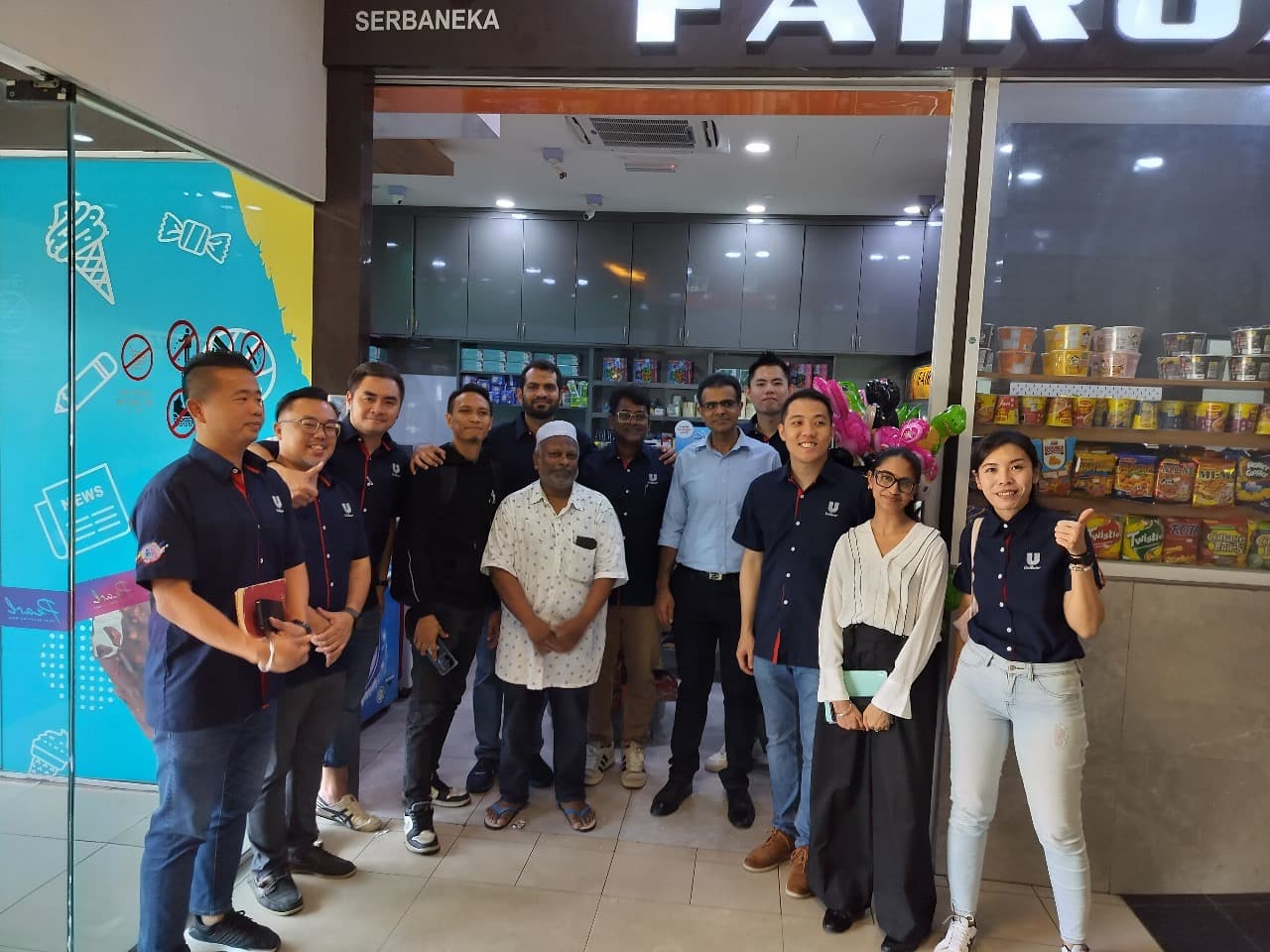
I arranged a field visit early in the project. Not a polished client session: an actual week with the Unilever team, two days walking general trade routes with a van sale driver, two days visiting modern trade accounts with the pre-sale team, and time in the Bangkok office with the brand managers and compliance leads.
The van sale driver making routing decisions on gut instinct was not cutting corners. He had no better information to work with. The pre-sale team had no visibility into what demand looked like before routes went out each day. These were rational responses to a system that had not given them anything more useful.
Building the solution
After spending a week with all the concerned parties, the solution I designed centred on three components: a dedicated mobile app for merchandisers to capture shelf images at every store visit, an AI model trained specifically on Magnum's full product range and SKU set to assess cooler compliance and planogram adherence in real time, and a live dashboard giving both the field team and brand management a single source of truth on store-level performance.
The AI layer solved the measurement problem. What made the measurement matter was the human layer: creating a payment consequence that incentivised accurate field reporting, giving the driver tomorrow's demand picture the night before his route. The technology was never the hard part. Understanding the chain of people it had to work with was.
The pilot ran for four months across 10% of stores. On its success, I negotiated and closed the production contract at $2 million ARR over three years. I consulted with my manager on the commercial terms but ran point on every aspect of the deal. As Head of CSM APAC, I typically guide and oversee project teams rather than run projects directly. I ran Thailand personally. The demerger was messy and chaotic, and the stakes were too high to delegate.
The demerger ran in parallel
Unilever announced in April 2024 that it would spin off its ice cream division. Magnum, Wall's, Ben & Jerry's would all move to a standalone entity. The announcement created immediate operational uncertainty. Budgets froze. Approval hierarchies blurred. The teams I was working with were navigating an internal restructure at the same time as a technology deployment.
I spent a significant portion of that period on calls and in offices in Bangkok, managing the relationship through the noise. Outstanding payments, paused for several months during the transition, were settled around November 2024. A demerger and a live deployment do not make easy bedfellows. I navigated through both.
The numbers, six months in
With accurate data from the platform for the first time, I was able to deliver results that held up to scrutiny. Six months post go-live, the data pointed to a 20% reduction in compliance-related payments against a $2-2.5 million annual baseline. Market share in Thailand moved by approximately 1.5 percentage points. In a market where each point is worth $4-5 million, the commercial case was clear.
Van sale routing also began to improve. The pre-sale team had better demand visibility before routes went out each day. Field coordination that had lived entirely on WhatsApp now had a structured layer underneath it.
Thailand became the champion market. Malaysia, Indonesia, and Vietnam followed.
That realisation did not come from a requirements document. It came from standing in a 7-Eleven in Bangkok at 8am and watching someone do their job.