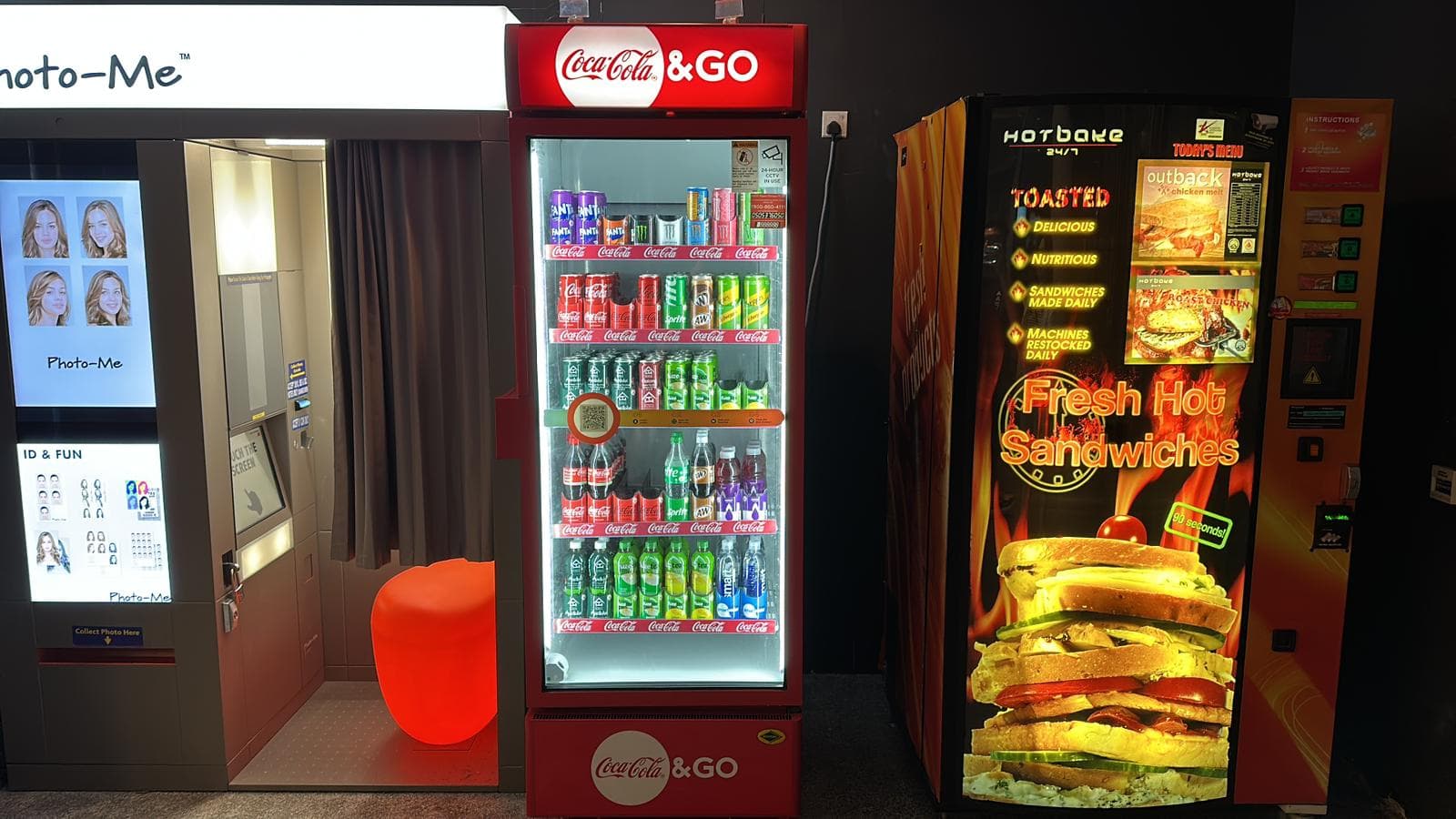
The pitch was simple. Tap a card, open a cooler, pick your drinks, walk away. The execution involved twelve time zones, four payment systems, and learning from a country that did not pay.
Coca-Cola was my biggest account at Vision. I had been working with TCC, various APAC country operators, and a constellation of vendors across digital KPI tracking before the Coke&Go project landed on my desk. It changed what I thought I knew about deploying technology.
The supply chain nobody told me about
A Coke&Go cooler is a chain of physical decisions made by a dozen different organisations across multiple countries, and every link has to work before a single consumer can open a door.
The base unit is a standard commercial cooler (FrigoGlass or Western, depending on the market). That cooler ships to Skope in China, who retrofits it in a factory with Vision's camera units, GPU, and antenna system. Vision separately procures the payment hardware: a card tap machine, a QR lock mechanism, or a Grab-integrated door system, depending on which payment infrastructure the market runs on. The retrofitted cooler ships by freight to the destination country. Vision's software processes the camera video footage in real time, converts it into a transaction record, and hands it via API to the Coca-Cola country team's system. Above those country teams, TCC receives its own API feed: the first time the global parent company had ever had direct sales data from these markets.
I came from a SaaS background. I had never shipped hardware across borders. In the months before each market launch, I was coordinating OEMs, a retrofitting factory in China, payment vendors, freight forwarders, and customs clearance across multiple jurisdictions. The first cooler that arrived in Singapore on time did so because every one of those threads held. I had a new level of respect for every team that deploys physical technology at scale.
Singapore: the payment problem and the Grab solution
The Singapore pilot launched in August 2023, a few months before I joined Vision in October. Twenty coolers, closed-loop trial, early results were strong. The problem was payments. Singapore's regulations made it difficult to work with standard payment providers at scale, and relying on the Coke&Go app meant every consumer had to download it before they could open a cooler. That friction worked for early adopters. It would not work at 500 units.
The answer was obvious once you spent any time in Southeast Asia: Grab. One app, one tap, hundreds of millions of users already onboarded. I led the integration project with Grab for both door unlocking and payments, coordinating between Vision's technical teams, Grab's integration side, and the Coca-Cola Singapore team. The integration took several months across hardware, software, and commercial agreements.
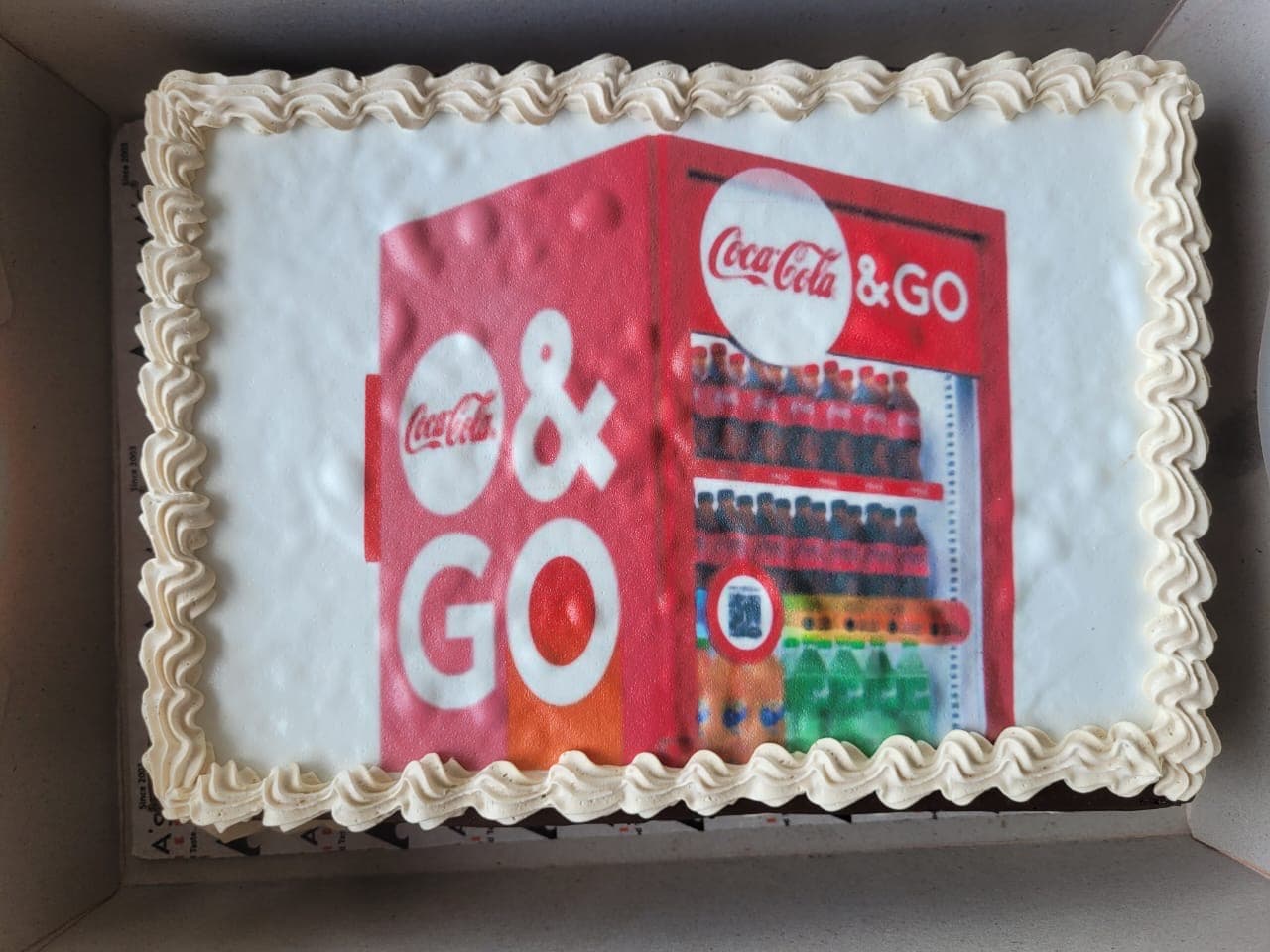
Once it was live, we rolled out. Singapore went from 20 pilot units to 500 coolers across the country by the second half of 2024. Sales uplift: 27%.
Australia and New Zealand: the clean deployment
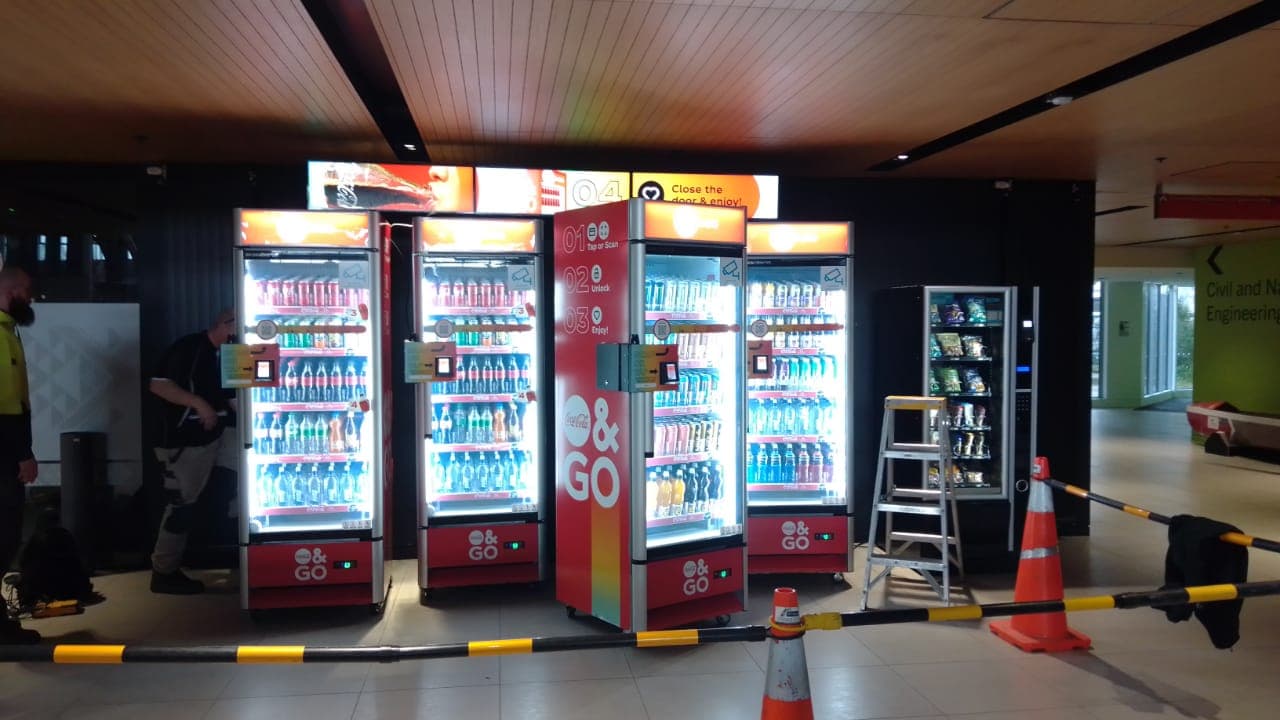
Australia and New Zealand started in December 2023. Card infrastructure was mature in both markets, so the payment integration was straightforward: a tap machine on the cooler door. Twenty units each, placed across universities, airports, and offices.
I identified early that office locations were underperforming against projection. Captive audiences with canteen access were less motivated to use a standalone cooler. I redirected the deployment away from offices and concentrated on high-traffic locations. By early 2025, both countries had scaled to 600 units each. Sales uplift across universities and airports: 38%.
India: the failure worth documenting
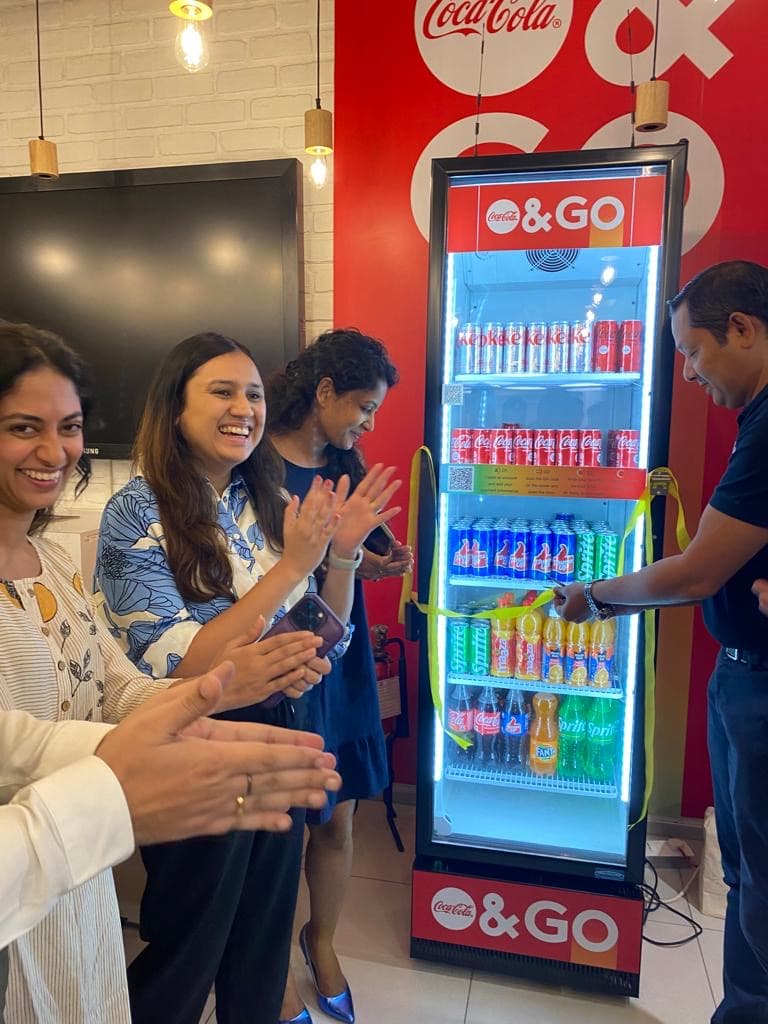
India launched in February 2024. I flew out for the launch: twelve coolers across universities and tech parks.
India runs on cash and UPI. Both are post-possession payment methods: you receive the product first and pay after. The Coke&Go model requires payment commitment before the cooler opens. The assumption baked into every other market was that consumers would tap or scan without hesitation before touching anything.
In India, a significant portion of consumers opened the cooler, took the products, and walked away. The mental model of paying before receiving simply did not fit how commerce worked for most people. Coca-Cola recovered approximately 50% of the value of items taken. I ran the pilot for six months and closed it with the Coca-Cola India team. The call was clear.
The three successful markets made the lesson plain: Coke&Go was designed for markets with established pre-payment infrastructure. The product worked. The market context did not.
What it proved beyond the sales numbers
The commercial case was strong before the India data even came in. But the larger prize for Coca-Cola was the data itself. Country teams like CCEP in Australia and New Zealand, CCSG in Singapore, and above them TCC globally, were getting direct point-of-sale data from their own branded units for the first time. Most retail data comes through third-party channels that control what they share and when. A Coke&Go cooler is a Coca-Cola asset giving Coca-Cola its own numbers.
I took the APAC results to TCC at the end of 2024. They secured an expansion of Coke&Go to the UK and EU.
The hardest project I have run
For the better part of a year, I flew to deployment locations in sync with cooler shipments, spending two to three days at each site with hardware installation teams, Coca-Cola country teams, and a software engineer to verify the full setup end to end. I coordinated teams simultaneously across China, India, the United States, Singapore, Australia, New Zealand, and Brazil. Every decision about sequencing, escalation, and market prioritisation came through me.
Every SaaS project I had run before this could be debugged remotely. A cooler with a camera calibration issue in Sydney cannot. A payment hardware fault in Auckland does not respond to a Slack message. I learned to anticipate the physical failure modes that software deployments never surface: freight delays, customs holds, hardware miscalibrations that only show up under specific temperature conditions in a specific market.
It is the most complicated project I have run. It is also the one I am most proud of.